



Type and hit enter
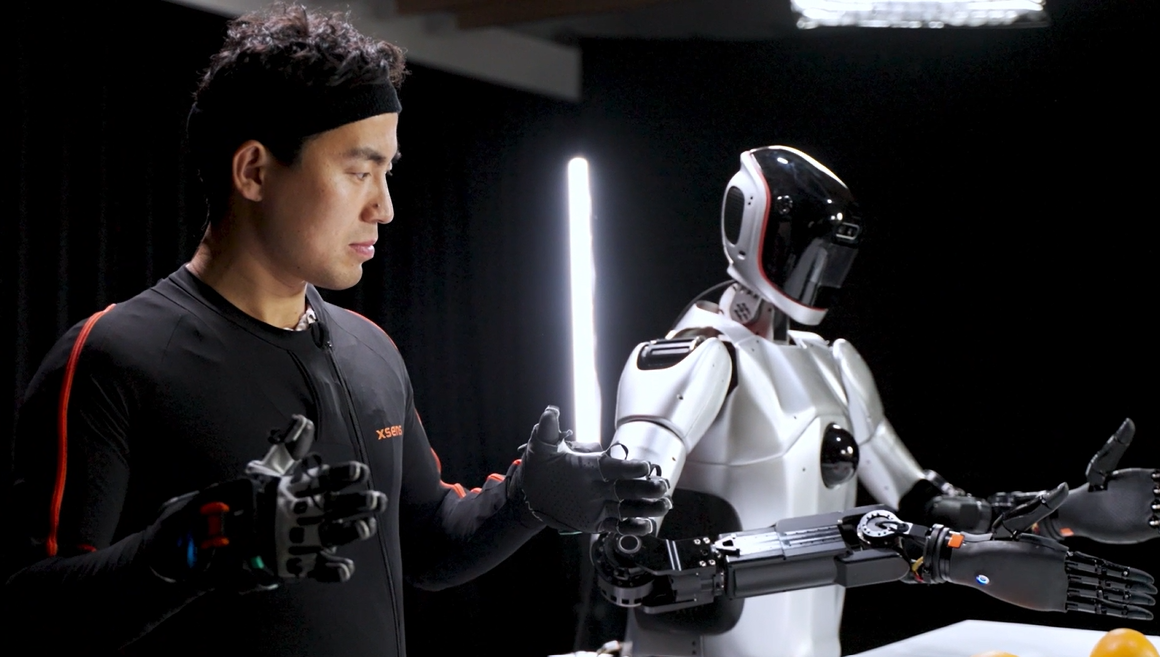
Automation anxiety has haunted manufacturing for decades. But reality in 2026 looks very different from dystopian predictions.
Robots aren’t replacing humans — they’re reshaping roles.
“Success is the result of perfection, hard work, learning from failure, loyalty, and persistence”
Philip Reyes
Let me share with you one of my favorite quotes, as stated in that quote, there are three key factors to achieve massive success in your life:
Predictive maintenance powered by AI is another game-changer. Instead of reacting to machine failures, manufacturers can now anticipate them — reducing downtime, saving costs, and extending equipment life.
The smart factory is no longer a futuristic concept. It’s a competitive necessity. Manufacturers that adopt modular automation, reskill their workforce, and use data as a production input will outperform those that resist change.
The factory floor hasn’t lost its soul — it’s gained intelligence.
Adding {{itemName}} to cart
Added {{itemName}} to cart