
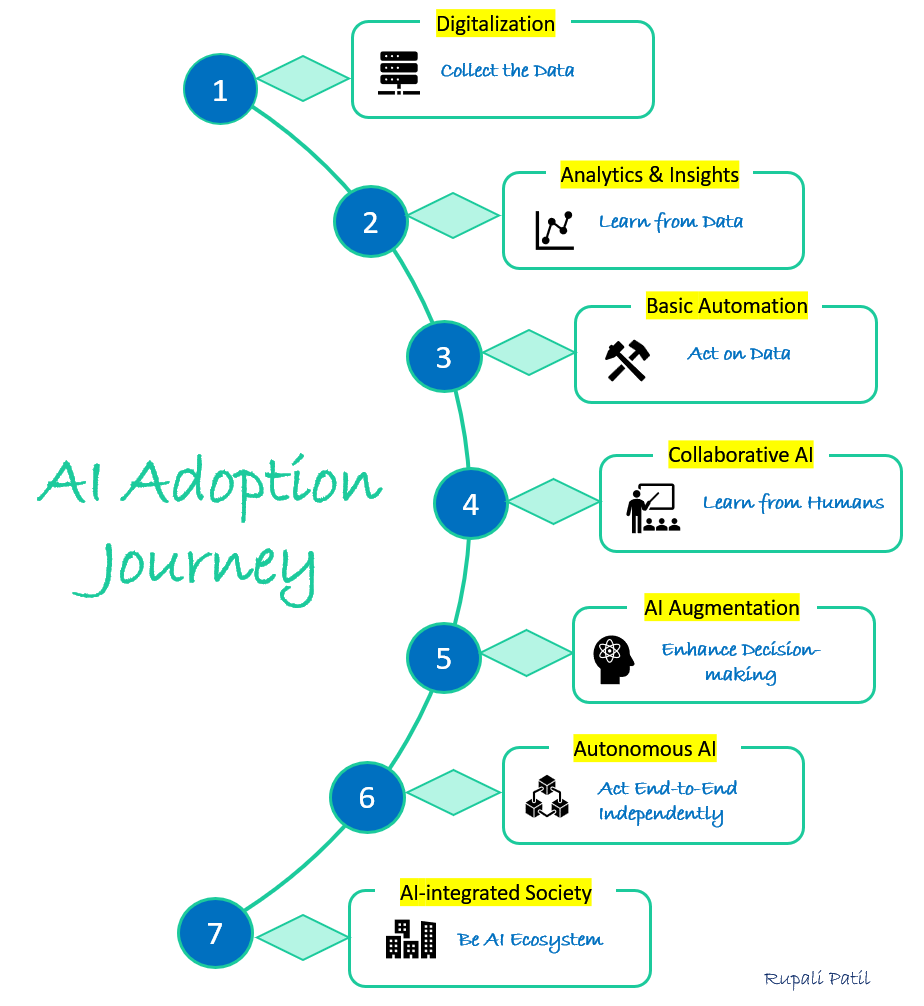

For years, artificial intelligence in India lived in proof-of-concept decks and conference demos. That phase is officially over. What we’re witnessing now is a decisive shift from experimentation to enterprise-wide adoption — and it’s happening faster than anyone predicted.
Indian enterprises are no longer asking whether AI works. They’re asking where it saves money, how it reduces operational friction, and how quickly it can be deployed at scale. From airlines automating customer support to law firms using AI for document review and compliance, AI has crossed the credibility gap.
What's the major reason behind the acceleration ?
Hustle and Cashflow is a blog that aims to educate millennials on personal finance. What allows to differ from other personal finance blogs, is how we chose to communicate bersonal finance and money to millennials using humour and relatable language while providing quality information about how to deal with money and sharing stories of young people overcoming their financial struggle
PHILIP REYES
One major reason behind this acceleration is ROI clarity. Earlier AI products promised intelligence; today’s AI products promise outcomes. Reduced turnaround time. Fewer human errors. Faster decision cycles. Enterprises respond well to metrics, not magic — and AI finally speaks their language.
Another driver is integration maturity. Modern AI systems now plug directly into CRMs, ERPs, ticketing systems, and internal tools. This reduces adoption friction and allows AI to work inside existing workflows rather than replacing them. For Indian IT teams, this is crucial — legacy systems are complex, and “rip and replace” rarely works.

- Get yourself comfortable.
- Manage your workspace and organize your desk.
- Adjust the work/life balance.
- Keep In touch with your co-workers.
Final Takeaway
For founders, this is the moment to shift positioning. The winning AI startups won’t market themselves as “AI platforms.” They’ll sell themselves as cost reducers, productivity engines, and revenue enablers. The conversation has moved from innovation to accountability — and that’s a very good thing.